EN
EN

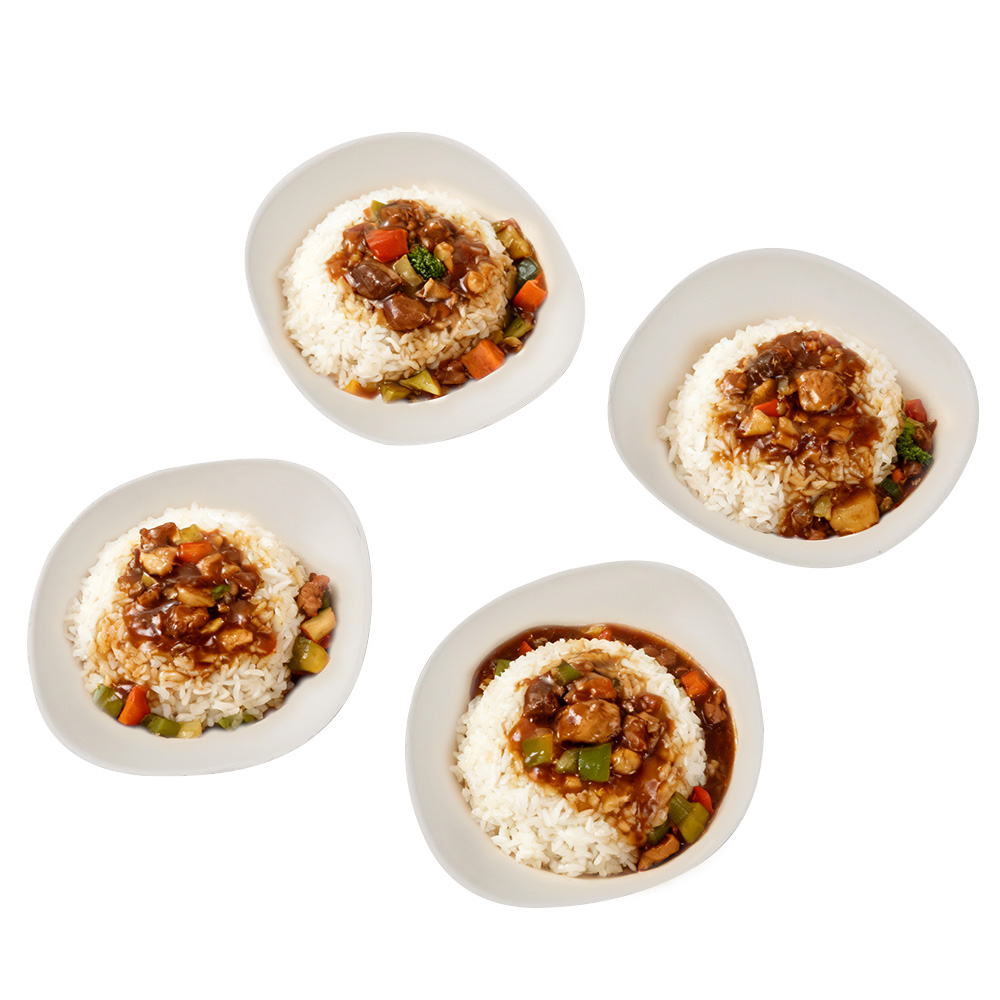
Overcoming the High Temperature Challenge in Food Delivery
During my twelve years working as a culinary operations director for international catering brands, handling piping hot, oily takeout dishes was a constant operational headache. Standard paper bowls would turn into mush within twenty minutes, while traditional plastic options warped under intense heat and altered the flavor profile of freshly fried items. Everything changed when our kitchen network tested heavy-duty sugarcane bagasse food containers for our high-temperature menu lines. We immediately noticed that these plant-fiber solutions maintained their structural form perfectly, even when holding boiling soups or oil-heavy stir-fries. Consumers across global markets are increasingly vocal about avoiding plastic taste contamination, making the shift to natural pulp alternatives absolutely crucial. By adopting sugarcane bagasse food containers, commercial kitchens can easily resolve the classic delivery dilemma of packaging failure, ensuring that meals look just as appetizing upon arrival as they did under the chef heat lamps during preparation.
Thermal Engineering and Structural Integrity of Natural Fiber
From a scientific and chemical standpoint, the ability of these materials to withstand extreme culinary conditions lies in the dense cross-linked fiber grid formed during industrial molding. Unlike typical paper items that require synthetic plastic coatings to resist grease penetration, sugarcane bagasse food containers possess inherent oil resistance due to the natural composition of agricultural pulp. The advanced thermoforming manufacturing process fuses the raw fibers under immense pressure and dry heat, allowing sugarcane bagasse food containers to handle temperatures reaching up to one hundred degrees Celsius without losing structural rigidity. Thermal analysis reports from international packaging institutes confirm that the structural insulation provided by these molded shapes keeps food warmer for much longer periods. This specialized breathability lets excess steam escape naturally while locking in heavy greases and sauces, a unique combination that prevents fried foods from becoming soggy during transit, which remains a massive competitive edge for busy urban bistros.
Real World Performance Under Extreme Catering Conditions
Let me share a specific case study from a major Tex-Mex restaurant chain we assisted last winter, famous for serving heavy, oil-saturated burritos and molten cheese dips. They were losing valuable customers because their delivery packaging frequently leaked hot oil onto consumer clothing and vehicle seats during transit. We replaced their inventory with our specialized sugarcane bagasse food containers, and the operational transformation was staggering. The restaurant group reported a ninety-five percent reduction in delivery-related damage claims within the first month of implementing sugarcane bagasse food containers across their busiest metropolitan locations. Furthermore, the kitchen staff found that these durable pulp designs could go straight from the food prep line into commercial warming drawers without warping or producing chemical odors. This seamless performance under harsh kitchen conditions proved that shifting to high-quality pulp directly enhances operational efficiency while protecting a brand's hard-earned market reputation.
Ensuring Global Compliance and Certified Material Safety Standards
Ensuring consumer trust in the commercial food service market requires a deep commitment to material transparency and rigorous global safety testing. Leading food safety scientists point out that traditional plastic linings can leach microplastics or harmful chemical residues when exposed to boiling oils, whereas sugarcane bagasse food containers remain completely inert and non-toxic under high heat. Our premium sugarcane bagasse food containers undergo strict validation to comply fully with international food contact regulations, including FDA baselines and European safety certifications. Sourcing certified packaging solutions in bulk allows global restaurant chains to eliminate liabilities associated with chemical migration in hot takeout meals. Because these plant fiber solutions carry genuine industrial compostability credentials, brands can confidently present a clean, transparent green profile to modern diners who demand total environmental sustainability throughout their entire dining experience.
Supply Chain Advantages and Economic Performance for Commercial Kitchens
Running a highly profitable commercial food service enterprise requires balancing strict environmental ideals with smart purchasing economics and reliable supply logistics. Sourcing sugarcane bagasse food containers in volume provides long-term cost predictability, shielding procurement managers from the volatile pricing of petroleum-derived synthetic packaging. Our production network manufactures these items with an optimized nesting design, allowing busy kitchens to stack them efficiently and save thirty percent of valuable storage space behind the counter. This smart layout minimizes shipping expenses and accelerates kitchen line speeds during intense dinner rushes because the trays separate effortlessly without sticking together. Investing in a steady wholesale supply of sugarcane bagasse food containers ensures your restaurant always has resilient, professional-grade, and beautifully designed packaging ready to handle the hottest, oiliest culinary creations while boosting your financial bottom line and customer satisfaction over the long run.
Table of Contents
- Overcoming the High Temperature Challenge in Food Delivery
- Thermal Engineering and Structural Integrity of Natural Fiber
- Real World Performance Under Extreme Catering Conditions
- Ensuring Global Compliance and Certified Material Safety Standards
- Supply Chain Advantages and Economic Performance for Commercial Kitchens