EN
EN

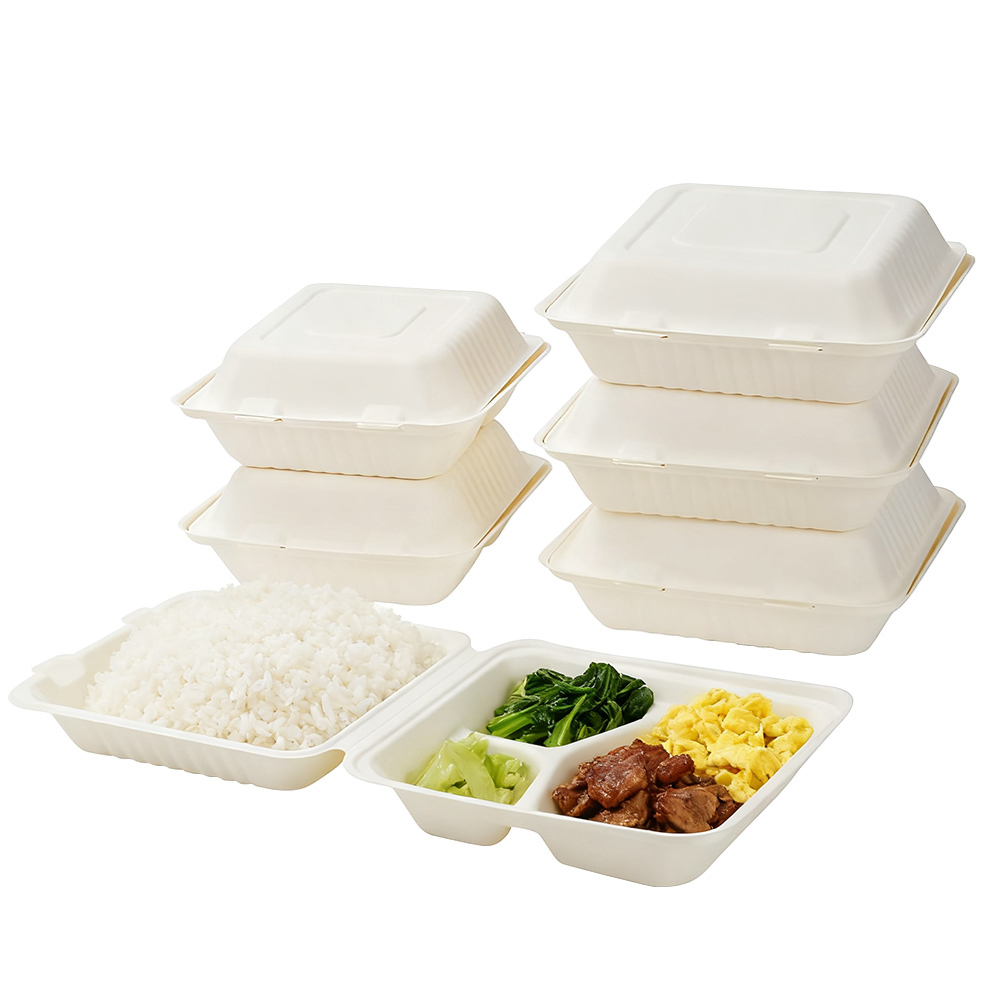
The Architectural Physics of Sustainable Meal Preservation
Managing international catering logistics and food distribution networks for over a decade teaches you that maintaining structural integrity under diverse climate conditions is incredibly challenging. Many commercial food distributors buy standard molded fiber trays assuming that any thick barrier will prevent liquid migration, which is a major technical misconception that ruins customer satisfaction. To protect complex multi-component meals from cross-contamination, utilizing an engineered Leak-proof structure keeps food separate and fresh across long transit windows. True high-performance sustainable packaging does not rely on heavy synthetic plastic liners or toxic chemical coatings to repel moisture and oils. Instead, it uses advanced plant pulp molding science to form rigid physical boundaries that lock distinct ingredients into their assigned compartments. Securing this type of advanced, clean infrastructure guarantees that your culinary team delivers pristine, restaurant-quality presentations while establishing a dependable barrier against premature structural softening or unappealing structural collapse.
Material Densification and Plant Fiber Cross Linking Science
From a strict material science and polymer engineering perspective, the easiest way to differentiate cheap paper alternatives from elite thermoformed pulp containers is by testing their structural density under heat stress. When trying to understand why a Leak-proof structure keeps food separate and fresh, factory production managers closely analyze specialized thermodynamic data sheets. True high-performance pulp moldings utilize highly refined bamboo and sugarcane bagasse fibers that undergo intense compression and high-temperature curing cycles. International food packaging safety organizations emphasize that sustainable materials must maintain deep physical rib structures to prevent heavy sauces from seeping into adjacent dry items like rice or bread. During my technical consultations with commercial kitchen operators, I always demonstrate this capability by placing boiling hot gravies right alongside crisp pastries. The dense plant fiber network prevents any lateral moisture migration, proving that the structural integrity of the molded tray is perfectly optimized for maximum temperature stability and absolute moisture control.
Eliminating Cross Contamination and Enhancing Delivery Performance
A massive operational advantage of utilizing genuine molded plant fiber compounds over traditional single-use plastic alternatives is the complete preservation of natural food textures without trapping excess condensated moisture. In my extensive fieldwork with regional corporate meal delivery services and educational institution kitchens, operators frequently complained about fried items turning completely soggy or distinct flavors blending during long transport cycles. Traditional flat-lid containers allow steam to travel freely across food zones, but deploying an advanced system where a Leak-proof structure keeps food separate and fresh eliminates this logistical headache entirely. Because premium pulp layouts feature independently sealed compartment perimeters that meet the matching container lid perfectly, they create localized micro-climates for each food item. This means that hot steam from a savory entrée is contained within its own zone, keeping adjacent salads crisp and cold, which provides safety-minded catering operations with a highly dependable physical asset.
Practical Field Discoveries and Operational Cost Optimization
I remember directing a massive takeaway packaging upgrade project for a large regional hospitality group that was struggling with high customer refund rates due to messy leaks during third-party motorcycle deliveries. The onsite kitchen crews were using cheap generic paper boxes that offered zero oil resistance, causing the bottoms of the containers to give out entirely under the weight of hot liquids. We addressed this systemic corporate challenge by teaching their culinary staff how a Leak-proof structure keeps food separate and fresh and implementing a specialized molded pulp container program across all branches. Once the kitchen staff transitioned to the genuine plant fiber material, the economic benefits were felt immediately across the organization. The customer complaint rate regarding spilled food or mixed flavors dropped to near zero, and the company recorded a noticeable increase in positive online reviews, which drastically cut down on administrative refund processing and optimized daily food delivery margins.
Supply Chain Excellence and Elite Quality Manufacturing Standards
Securing a permanent competitive edge in the modern eco-friendly packaging sector requires a rock-solid manufacturing partner capable of delivering consistent material quality batch after batch. Sourcing cheap, unbranded alternative pulp trays typically leads to rapid edge warping, annoying lid fitting failures, and terrible oil absorption that destroys a food brand's professional reputation among discerning consumers. Utilizing a meticulously managed production process that highlights how a Leak-proof structure keeps food separate and fresh provides international catering distributors and quick-service restaurant managers with an exceptionally reliable asset that lowers packaging waste and increases assembly line packaging speed. By focusing heavily on strict quality management, premium raw material selection, and wide compatibility across automated denesting equipment, YANGBO PULP delivers elite sustainable solutions that empower businesses to handle demanding corporate volume contracts with absolute confidence. Their automated production plants ensure that every single tray meets the exact structural specifications required by top-tier food service providers globally.
Table of Contents
- The Architectural Physics of Sustainable Meal Preservation
- Material Densification and Plant Fiber Cross Linking Science
- Eliminating Cross Contamination and Enhancing Delivery Performance
- Practical Field Discoveries and Operational Cost Optimization
- Supply Chain Excellence and Elite Quality Manufacturing Standards