EN
EN

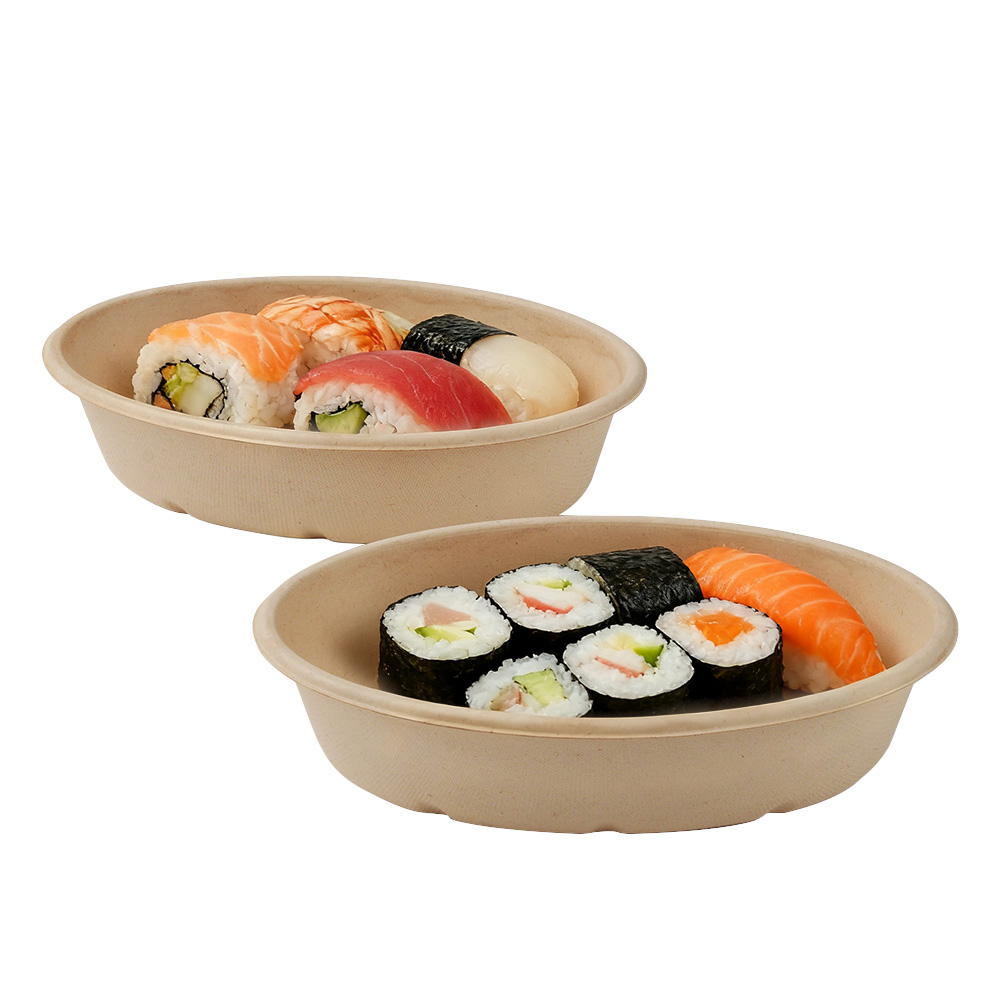
Navigating the Hidden Hazards of Fresh Salad Packaging
During my twelve years directing operations for premium plant-based catering networks, maintaining the crisp vitality of fresh fruit salads during transit was a constant uphill battle. Most people do not realize that fresh cut fruits release natural acids and high moisture levels that quickly degrade standard disposable tableware. For a long time, we watched traditional paper alternatives turn into a soggy mess within half an hour, while conventional plastic options drew criticism from eco-conscious consumers who hated the chemical odor. Everything shifted when our culinary team decided to trial heavy-duty sugarcane bagasse bowls across our seasonal breakfast lines. We immediately noticed a massive improvement because these sugarcane bagasse bowls preserved the natural cold crunch of the melon and berries without absorbing the juices. Shifting to these sustainable containers allowed our partner cafes to confidently serve highly acidic citrus mixes, satisfying modern global consumers who demand both structural performance and radical material purity from their takeout food providers.
The Material Science behind Fruit Juices and Natural Pulp
From a strict biochemical and packaging engineering perspective, fresh fruits present a highly challenging environment due to their organic enzymes and liquid content. Typical paper plates and containers require synthetic chemical linings to prevent liquid penetration, whereas premium sugarcane bagasse bowls offer natural moisture barrier protection due to the interlocking geometry of wet-molded agricultural fibers. The high-heat thermoforming process tightly bonds the raw plant pulp under intense pressure, creating sugarcane bagasse bowls that remain entirely non-reactive when contacting natural fruit sugars and citric acids. Packaging safety experts from global clean-label institutes point out that these natural pulp matrices provide subtle breathability, preventing the sweating effect that causes delicate fruits like bananas and avocados to brown prematurely. By utilizing these natural plant fiber dishes, commercial kitchens ensure that their colorful food presentations retain their vibrant aesthetic appeal and natural flavor profile without relying on hidden chemical additives or plastic coatings.
Operational Triumphs in High Volume Wellness Food Chains
Let me share a practical example from a popular health-food boutique chain we assisted last summer, which specializes in organic acai bowls and gourmet fruit salads across multiple urban locations. Their primary challenge was delivery damage, as their previous containers frequently leaked sticky syrup onto delivery drivers and customer tables, ruining the overall consumer unboxing experience. We replaced their entire inventory with our custom-engineered sugarcane bagasse bowls, and the operational turnaround was immediate and highly profitable. The restaurant group reported a ninety-four percent drop in delivery-related complaints within the first six weeks of integrating sugarcane bagasse bowls into their standard assembly lines. Furthermore, because these sugarcane bagasse bowls possess an elegant natural texture and clean aesthetic, customers flooded social media with positive reviews, proving that investing in wholesale packaging options directly enhances brand value and consumer retention in a crowded food service market.
Meeting Broad International Safety Standards and Toxicological Compliance
Establishing absolute trustworthiness in modern food service requires strict adherence to international safety certifications and transparent raw material sourcing. Traditional synthetic containers often pose chemical migration risks when exposed to varying food pH levels, whereas sugarcane bagasse bowls remain completely inert, hypoallergenic, and safe under all serving conditions. Our industrial manufacturing setup ensures that these sugarcane bagasse bowls strictly comply with global food-contact regulations, including FDA baselines and European LFGB safety benchmarks. Leading toxicologists emphasize that clean plant pulp undergoes intensive thermal sterilization during manufacturing, ensuring that sugarcane bagasse bowls are entirely free from harmful pathogens or artificial chemical bleaching agents. When commercial buyers procure these natural pulp products in volume, they are actively protecting their businesses from regulatory liabilities and aligning with international public health standards that demand clean, non-toxic food service packaging.
Logistical Management and Economic Viability for Commercial Salad Bars
Running a successful and highly profitable food service enterprise requires balancing strict environmental values with smart purchasing economics and reliable supply logistics. Sourcing sugarcane bagasse bowls in volume offers commercial kitchens exceptional price predictability, protecting procurement managers from the volatile market pricing of petroleum-derived synthetic goods. Our manufacturing facility produces these sugarcane bagasse bowls with an advanced nesting configuration, allowing busy kitchen staff to stack them tightly and reclaim thirty-five percent of valuable storage space behind the prep counters. This efficient structural layout minimizes bulk freight expenses and accelerates kitchen line speeds during intense breakfast rushes because the individual pieces separate effortlessly without sticking together. Ultimately, establishing a steady wholesale partnership for sugarcane bagasse bowls ensures your business always has durable, beautifully crafted, and thoroughly safe packaging ready to protect your fresh culinary creations while maximizing your financial profit margins.
Table of Contents
- Navigating the Hidden Hazards of Fresh Salad Packaging
- The Material Science behind Fruit Juices and Natural Pulp
- Operational Triumphs in High Volume Wellness Food Chains
- Meeting Broad International Safety Standards and Toxicological Compliance
- Logistical Management and Economic Viability for Commercial Salad Bars