 EN
EN


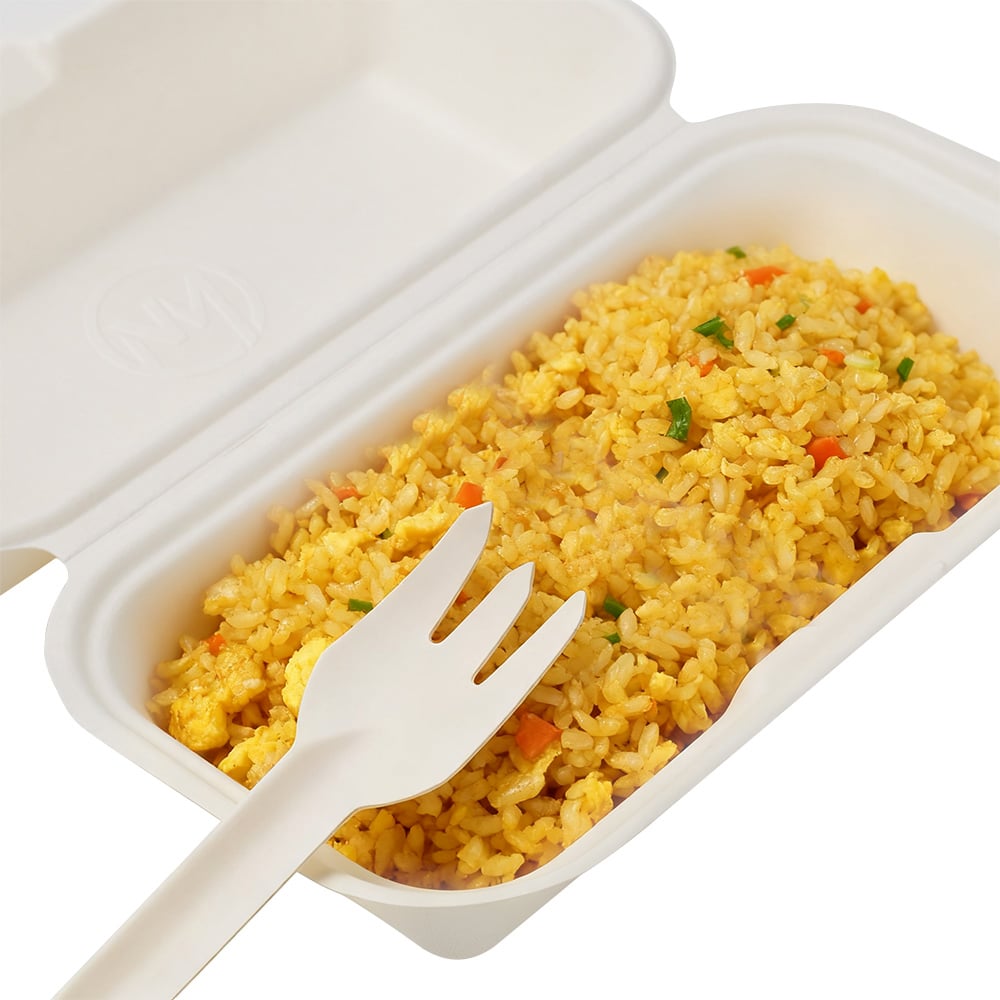
A Catering Event That Changed the View on Disposable Trays
Organizing a large-scale catering event presents a fundamental challenge: providing serveware that is sturdy, heat-tolerant, and visually appealing without compromising environmental values or event budgets.
Standard plastic trays often prove flimsy, warping under heat or heavy portions before service even concludes. Switching to sugarcane bagasse trays resolves these issues directly. Bagasse trays—manufactured from the natural fibrous remains of sugarcane after juice extraction—offer a clean, kraft-like aesthetic that elevates food presentation while holding up against heavy, hot, or oily dishes.
According to Dr. Amanda Liu, a food service sustainability consultant:
“The shift toward fiber-based trays in large-scale catering has been the single most visible change in event waste management in a decade.”
At weddings, corporate lunches, and large festivals, sugarcane bagasse trays have become a staple because they deliver both high operational performance and peace of mind.
The Material Science That Makes Bagasse Trays Reliable
The widespread adoption of sugarcane bagasse trays in catering relies heavily on the structural properties of the raw material itself:
-
Natural Cellulose Interlocking: Bagasse is naturally rich in cellulose. When processed using wet-press molding without synthetic binders, the fibers entangle to form strong hydrogen bonds, providing exceptional rigidity.
-
Flexural Strength Reinforcement: Blending bagasse with a small percentage of fast-growing bamboo fiber increases flexural strength without adding excessive weight, allowing trays to resist bending under loads exceeding 1 kg.
-
Plant-Based Barrier Integration: Rather than using plastic coatings, bagasse trays integrate a plant-based barrier treatment directly into the pulp stage. This repels oil and water for up to 4 hours at temperatures up to 90°C.
Materials scientist Dr. Kenji Takahashi notes in the Journal of Renewable Packaging that compressed bagasse fibers create a micro-porous structure that dissipates heat and moisture evenly. This prevents localized softening, ensuring hot meals remain secure from the buffet line to the guest's table.
Meeting the Zero-Waste Goals of Modern Catering
Sustainability compliance has evolved from an optional preference to a standard contractual requirement for event venues and municipalities banning single-use plastics.
Sugarcane bagasse trays integrate seamlessly into zero-waste operations:
-
Compostability: They are home- and commercially compostable within 60 to 90 days, breaking down into carbon, water, and organic matter without leaving microplastics.
-
Waste Diversion: A report by the Green Event Alliance highlights that caterers using bagasse trays diverted an average of 82% more waste from landfills compared to those using plastic-lined alternatives.
-
Simplified Cleanup: Food scraps and compostable trays can be disposed of together in organic waste streams, cutting cleanup times and eliminating separate sorting stations.
Fully certified under EN 13432 and ASTM D6400 standards and completely PFAS-free, bagasse trays allow event organizers to substantiate their environmental claims with verifiable credentials.
How Bagasse Trays Enhance Brand Perception and Guest Experience
Guest experience is closely linked to tactile presentation. When guests hold serveware that feels solid and naturally elegant, it reflects positively on the host or catering brand:
-
Customization Capabilities: In-mold embossing and food-safe custom printing allow caterers to add logos, event hashtags, or rim patterns directly to the tray surface, turning functional serveware into branded decor.
-
Tactile Quality: Research in the International Journal of Consumer Studies indicates that the tactile feel of uncoated fiber packaging measurably increases perceived product quality and brand sincerity.
-
Thermal Versatility: Bagasse trays are both microwave-safe and freezer-safe. Caterers can prep, store, reheat, and serve directly on the tray without needing extra decanting steps.
Cost-Effective Procurement and Supply Reliability
While high-performance disposables must align with sustainability targets, they must also remain economically viable for high-volume operations:
| Cost & Operational Factor | Traditional Plastic / Ceramic | Sugarcane Bagasse Trays |
| Waste Disposal Fees | Higher due to non-compostable sorting requirements | Lower via direct organic waste stream integration |
| Dishwashing & Breakage | High labor costs and risk of ceramic breakage | Zero wash labor; zero breakage risk |
| Regulatory Compliance | Risk of plastic surcharges or local bans | 100% compliant with single-use plastic bans |
| Batch Consistency | Variable quality in lower-tier plastics | High consistency via ISO 9001 / BRCGS automated standards |
When factoring in reduced waste management costs and the elimination of breakage, sugarcane bagasse trays provide a cost-competitive solution for mid-to-large-scale events. Combined with automated optical inspections and standardized bulk manufacturing, they deliver the structural and logistical reliability required for high-stakes catering.


