 EN
EN
Natural Plant Fiber Composition Ensures Inherent Food Safety
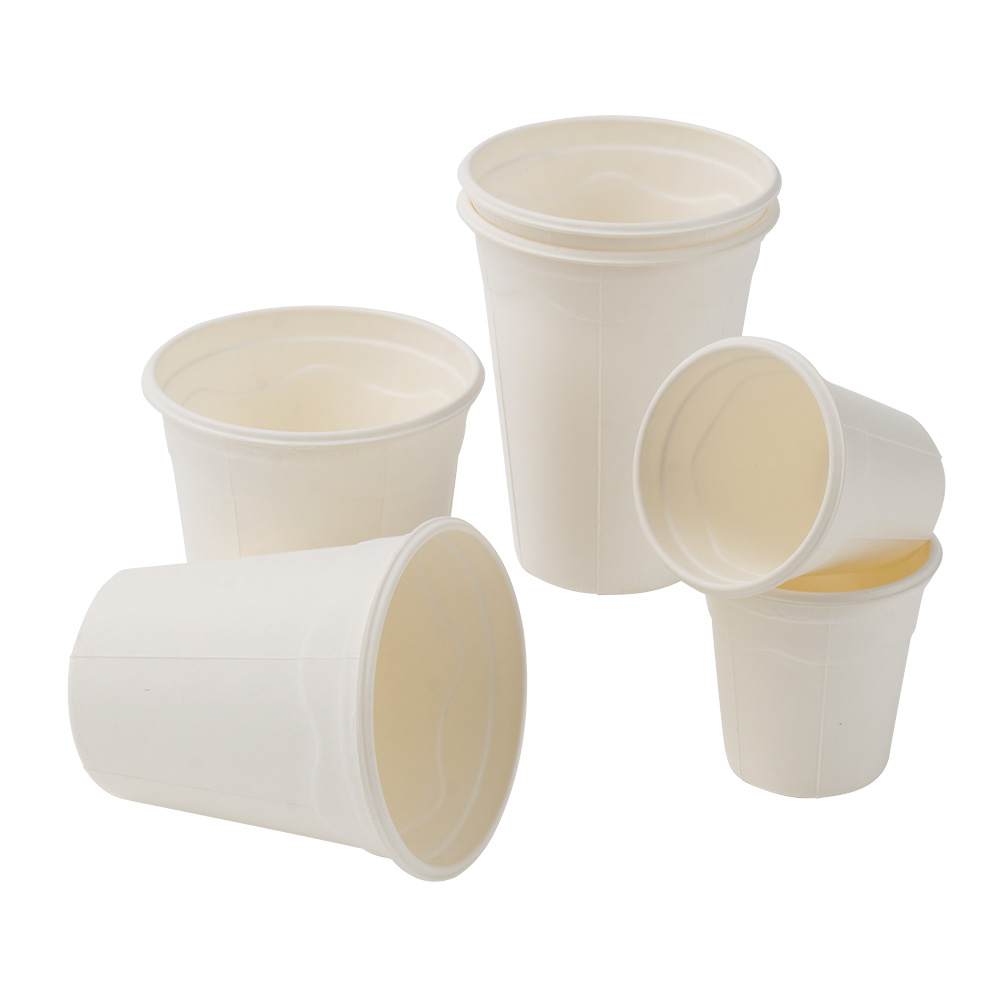
Cellulose, hemicellulose, and lignin: non-toxic structural backbone of sugarcane bagasse cups
Sugarcane bagasse cups derive their food-safe character from the same natural polymers that form the rigid cell walls of the sugarcane stalk. Composed primarily of cellulose, hemicellulose, and lignin—three abundant, plant-based compounds with a long history of safe use in food-contact materials—bagasse requires no synthetic binders or plasticizers. Cellulose provides structural strength and dimensional stability; hemicellulose adds flexibility by filling spaces between cellulose microfibrils; and lignin acts as a natural binder and grease-resistant barrier. Together, they form a robust, plant-only scaffold. Because these biopolymers are chemically identical to those found in whole fruits and vegetables, they pose no inherent chemical risk when in contact with food or beverages—eliminating the need for petrochemical-derived plastics and delivering a clean, compostable packaging solution.
No synthetic polymers or chemical additives — inherently BPA-free and PFAS-free
Bagasse cups are manufactured without synthetic polymers or chemical additives—unlike conventional paper cups that rely on polyethylene linings or PFAS-based coatings for moisture resistance. The high lignin content in bagasse naturally repels light moisture and resists grease, removing the need for hazardous fluorinated treatments. Cups are formed using only heat and pressure applied to damp fiber pulp, which activates lignin’s binding properties to create a dense, leak-resistant structure—no glues, resins, or plasticizers required. As a result, they are inherently BPA-free and free from intentionally added PFAS. Independent testing confirms these cups meet the same strict migration limits for total extractables as virgin-plastic alternatives, offering foodservice operators and consumers a genuinely clean, compostable option.
Functional Performance Confirms Real-World Food Contact Safety
The practical safety of sugarcane bagasse cups is validated not just by composition—but by performance under real food service conditions. Two critical functional properties—natural grease resistance and robust thermal stability—ensure integrity and prevent chemical migration during everyday use.
Natural grease resistance from lignin eliminates need for hazardous PFAS coatings in sugarcane bagasse cups
Lignin’s natural hydrophobic and oleophobic properties provide effective oil and grease resistance—without synthetic coatings. This intrinsic functionality eliminates reliance on PFAS, persistent environmental pollutants linked to endocrine disruption and immune toxicity. Third-party certifications—including EN 13432 and BPI compostability standards—verify that compliant bagasse cups contain no intentionally added PFAS, meeting the strictest global requirements for direct food contact. Removing PFAS simplifies end-of-life management, preventing contamination of compost and recycling streams while supporting regulatory trends toward fluorinated-chemical phaseouts.
Thermal stability up to 120°C prevents leaching and maintains integrity with hot beverages and foods
Sugarcane bagasse cups withstand temperatures up to 120°C without warping, softening, or leaching harmful substances—making them suitable for hot coffee, tea, soups, and microwave reheating. Migration testing under elevated temperature conditions (per FDA 21 CFR and EU Regulation (EC) No 1935/2004) confirms no detectable migration into food simulants. The cellulose-hemicellulose-lignin matrix remains dimensionally stable, preserving barrier function where plastic-lined alternatives may degrade or release additives. This proven thermal resilience ensures reliable performance across hot food contact applications—and reinforces compatibility with circular economy goals through certified commercial compostability.
Regulatory Validation: FDA and EU Compliance for Sugarcane Bagasse Cups
Migration testing and extractable limits under FDA 21 CFR §176.100 and EU Regulation (EC) No 1935/2004
To verify food safety, sugarcane bagasse cups undergo standardized migration testing using food simulants—water, 3% acetic acid, or ethanol—to represent aqueous, acidic, and fatty foods. Under FDA 21 CFR §176.100, the material must demonstrate compliance with allowable extractable limits; under EU Regulation (EC) No 1935/2004, the overall migration limit is set at 10 mg/dm², with stricter thresholds for specific substances. Testing protocols—such as exposure to 3% acetic acid at 40°C for 10 days—simulate prolonged contact with acidic foods like tomato sauce or citrus juices. Reputable labs including SGS and TÜV conduct these assessments, and compliant manufacturers issue Declarations of Compliance backed by full test reports. This rigorous validation confirms safety across both hot and cold food service applications.
Long-Term Health & Environmental Safety Beyond Certification
Regulatory compliance confirms short-term safety—but the deeper value of sugarcane bagasse cups lies in their contribution to long-term human and ecological health. By eliminating chronic exposure pathways for BPA, PFAS, and other persistent synthetics, they reduce cumulative toxic burden on individuals and communities. Their rapid, complete biodegradation in commercial composting facilities—verified under ASTM D6400 or EN 13432—prevents microplastic accumulation in soil and water systems, addressing an emerging public health concern rooted in environmental contamination. From agricultural residue to nutrient-rich compost, this closed-loop lifecycle reflects a preventive approach to safety—one that protects ecosystems and the people who depend on them.
FAQ
What are sugarcane bagasse cups made of?
Sugarcane bagasse cups are made from natural plant fibers, primarily cellulose, hemicellulose, and lignin—compounds that ensure structural strength, flexibility, and grease resistance without the need for synthetic additives.
Are sugarcane bagasse cups free from chemicals like BPA and PFAS?
Yes, sugarcane bagasse cups are naturally BPA-free and do not contain intentionally added PFAS or synthetic polymers.
Can sugarcane bagasse cups withstand hot beverages?
Yes, these cups are thermally stable up to 120°C, making them suitable for hot drinks like tea, coffee, and soups without warping or leaching harmful substances.
Are sugarcane bagasse cups compostable?
Yes, they are fully compostable in commercial composting facilities, breaking down entirely without leaving microplastic residues, verified under standards like ASTM D6400 and EN 13432.
Do sugarcane bagasse cups meet FDA and EU safety standards?
Yes, these cups comply with FDA 21 CFR §176.100 and EU Regulation (EC) No 1935/2004 for food-contact materials through rigorous migration and extractable testing.


