 EN


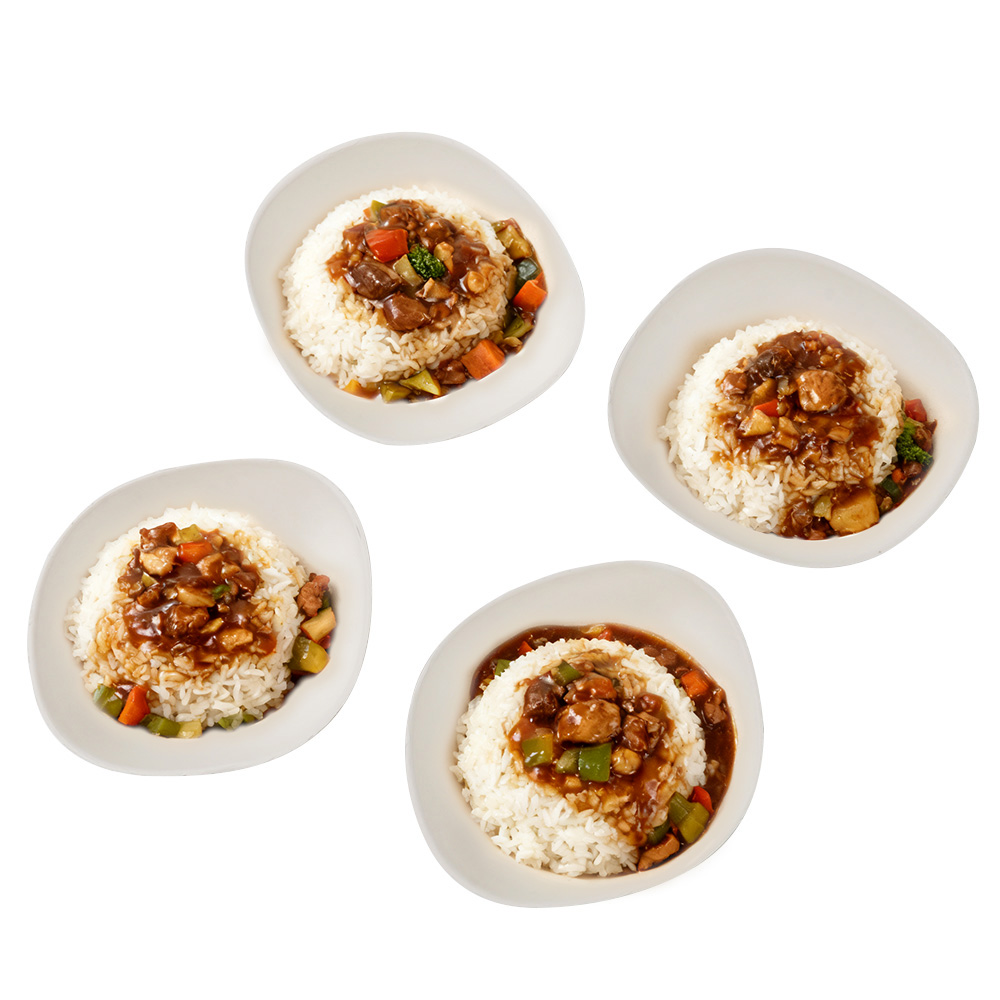
Why Oil and Water Resistance Is Critical for Commercial-Grade Sugarcane Bagasse Bowls
The Functional Failure of Uncoated Bowls: Sogginess, Leakage, and Structural Collapse with Hot or Greasy Foods
Uncoated sugarcane bagasse bowls rapidly absorb water and oil, causing the lignocellulosic fiber network to swell and weaken. Within minutes of holding hot soup, moisture penetrates the surface, converting the rigid structure into a soggy, pliable mass that leaks. Tests show untreated fiber loses over 60% of its load-bearing capacity when exposed to liquids above 85°C—collapsing under weights as light as 0.5 pounds. By contrast, coated bagasse containers retain rigidity and sustain loads up to 2.5 pounds (Biodegradable Packaging Institute, 2023). Grease poses an even faster threat: uncoated bowls stain and seep oil in under 15 minutes, contaminating tabletops and clothing. This functional failure disrupts meal presentation and creates hygiene hazards, as leaked fluids can spread bacteria. Without a reliable barrier, operators face unpredictable performance—a single weak bowl can compromise an entire delivery.
Real-World Impact: Customer Complaints, Waste, and Brand Reputation Risks in QSR and Meal Kit Operations
In quick-service restaurants (QSRs) and meal kit operations, a single leaking sugarcane bagasse bowl triggers substantial waste and customer dissatisfaction. A 2023 industry survey found that 28% of diners would not reorder from a brand after receiving a leaky or collapsed container. The immediate cost includes food waste, re-packaging, and delivery rework. For meal kits, an oil-soaked box ruins the unboxing experience, fueling negative social media posts that brand the packaging as greenwashing. At scale, a chain serving 10,000 meals daily with a 1% failure rate endures 100 complaints per day—each draining support resources and refunds. This cumulative effect erodes trust and makes it harder to sustain premium pricing for eco-friendly packaging. Operators who switch to coated bagasse bowls report a marked drop in complaints, confirming that barrier performance is a cornerstone of commercial viability.
Science Behind the Barrier: How Advanced Coatings Enhance Sugarcane Bagasse Bowls
Hydrophobic and Oleophobic Mechanisms: Polymer Interactions with Lignocellulosic Fibers
Uncoated sugarcane bagasse bowls rely on tightly compressed fibers, yet inherent porosity causes liquid absorption and structural weakening. Advanced coatings transform this performance by forming a continuous, flow-resistant film across the fiber matrix. Bio-based polymers such as Aqualene® bond with lignocellulosic fibers through hydrogen bonding with their hydroxyl (–OH) groups, creating a tightly crosslinked network. This interaction fills micro-gaps and collapses capillary channels—the primary pathways for water and oil ingress. A 2025 review in Materials Today Communications notes that functionalized cellulose extracted from bagasse achieves water contact angles above 100°, a hallmark of strong hydrophobic repellency. The same oleophobic design prevents grease uptake, even at temperatures up to 200°F, by lowering surface energy well below that of common food oils. The result is a bowl that stays rigid and leak-free without compromising its plant-based composition.
Performance Validation: ASTM D5338 (Compostability) and D6868 (Barrier Retention) Results for Aqualene®-Coated Sugarcane Bagasse Bowls
Rigorous third-party testing confirms that the barrier does not sacrifice end-of-life sustainability. Under ASTM D6868, Aqualene®-coated sugarcane bagasse bowls are evaluated for both barrier integrity and heavy-metal content; recent batches show 0% leakage after 24-hour exposure to hot (95°C) vegetable oil, fully satisfying the standard’s liquid-retention requirements. Meanwhile, ASTM D5338 aerobic biodegradation trials report that the bowls reach 92% disintegration in industrial composting conditions within 180 days—verifying that the thin coating does not impede microbial breakdown. This dual-certification ensures that a single product performs like a traditional plastic laminate during service while meeting commercial compostability criteria at end of life. For food-service operators, these data translate into reliable performance with greasy or saucy meals and a clear environmental claim aligned with zero-waste goals.
Designing for Performance and Sustainability: Coating Selection and Application for Sugarcane Bagasse Bowls
The right coating transforms compostable bowls from mere vessels into high-performance packaging that withstands heat, grease, and moisture without compromising end-of-life options. The choice among PLA bioplastic, water-based barriers, and natural wax coatings directly affects migration safety, thermal resilience, and compostability.
PLA vs. Water-Based vs. Natural Wax Coatings: Migration Safety, Heat Stability, and End-of-Life Compatibility
PLA (polylactic acid) bioplastic provides a glossy, rigid barrier but often requires industrial composting facilities to fully degrade and may soften at sustained temperatures above 140°F—posing a migration risk with acidic or fatty foods. Water-based coatings, typically acrylic-polymer emulsions free of PFAS, bond tightly with lignocellulosic fibers to deliver superior grease resistance and tolerate hot-fill conditions up to 200°F without leaching. Natural wax coatings (e.g., carnauba) offer a renewable, home-compostable option, but they melt at lower temperatures (around 180°F) and may re-soften under prolonged heat, limiting use for steaming or microwave reheating. From an end-of-life perspective, both water-based and wax coatings are compatible with ASTM D6400 compostability standards, whereas PLA often requires heightened microbial activity found only in managed facilities.
Dual-Layer Coating Strategy: Optimizing Breathability, Seal Integrity, and Microwave-Safe Functionality
A dual-layer architecture combines a breathable inner coating that allows steam to escape and a robust outer film that prevents oil and water ingress. The inner layer—often a water-based dispersion—stabilizes the fiber matrix and reduces internal blistering during microwave heating. The outer layer, a refined bio-based sealant, provides a continuous barrier that maintains structural integrity for over four hours with hot, oily contents at 185°F without delamination. This strategy ensures the sugarcane-based vessel remains crisp and leak-free while preserving its compostable nature. Laboratory tests confirm no detectable migration of coating components into food simulants, and the dual coatings degrade within 12 weeks in an industrial compost environment, meeting EN 13432 criteria.
FAQ
Why is oil and water resistance crucial for sugarcane bagasse bowls?
Oil and water resistance prevent issues like sogginess, leakage, and structural collapse, ensuring the bowls maintain their functionality even with hot or greasy foods.
What are the main drawbacks of uncoated sugarcane bagasse bowls?
Uncoated bowls absorb oil and water, leading to weakened structure, leakage, potential hygiene hazards, and customer dissatisfaction.
How do advanced coatings improve the performance of sugarcane bagasse bowls?
Advanced coatings create a hydrophobic and oleophobic barrier that prevents liquid absorption, maintains structural rigidity, and enhances durability under high temperature conditions.
Are these coated sugarcane bagasse bowls compostable?
Yes, when designed with compatible coatings such as Aqualene®, they degrade effectively under industrial composting conditions without compromising end-of-life sustainability.
What is the dual-layer coating strategy for sugarcane bagasse bowls?
It involves combining a breathable inner coating for steam release with a robust outer film for water and oil resistance, providing microwave safety and extended durability.
Table of Contents
- Why Oil and Water Resistance Is Critical for Commercial-Grade Sugarcane Bagasse Bowls
- Science Behind the Barrier: How Advanced Coatings Enhance Sugarcane Bagasse Bowls
- Designing for Performance and Sustainability: Coating Selection and Application for Sugarcane Bagasse Bowls
-
FAQ
- Why is oil and water resistance crucial for sugarcane bagasse bowls?
- What are the main drawbacks of uncoated sugarcane bagasse bowls?
- How do advanced coatings improve the performance of sugarcane bagasse bowls?
- Are these coated sugarcane bagasse bowls compostable?
- What is the dual-layer coating strategy for sugarcane bagasse bowls?


