 EN


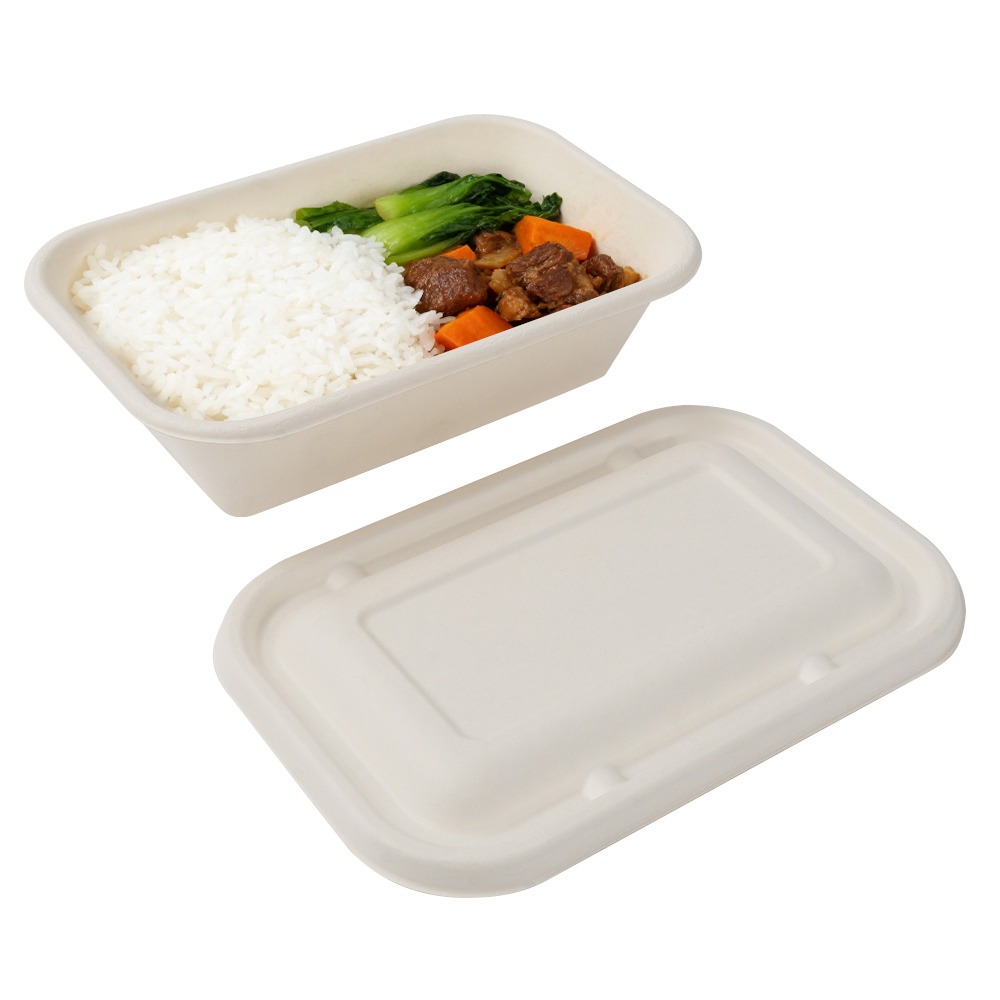
Why Sugarcane Bagasse Food Containers Are Strategic for Fast Food Procurement
Sugarcane bagasse food containers transform a discarded agricultural byproduct into a high-performance, sustainable packaging solution. The fibrous residue left after juice extraction is molded into sturdy, heat-tolerant containers that safely hold hot and oily foods without warping or leaking—reducing spoilage claims and reputational risk. They are microwave-safe, stackable, and compatible with standard lid systems, supporting efficient kitchen workflows and drive-thru speed.
Bagasse biodegrades in commercial composting facilities within 30 to 90 days—a stark contrast to petroleum-based plastics that persist for centuries. This renewable material directly supports compliance with tightening municipal single-use plastic bans and corporate ESG targets, making procurement a proactive strategic move—not a reactive cost.
Because bagasse originates from a non-food waste stream, its supply chain avoids petrochemical price volatility, offering procurement teams greater cost predictability over multi-year contracts. When combined with reduced freight weight (up to 20% lighter than comparable plastic containers) and lower commercial waste disposal fees—especially where bagasse qualifies for composting incentives—the total landed cost often falls below conventional alternatives. These operational, environmental, and financial benefits align sustainability goals with measurable efficiency gains.
Integrating Wholesale Burger Boxes into the Supply Chain: From Sourcing to Scale
Consolidated Procurement Platforms for Streamlined Ordering
Centralizing wholesale burger box orders through a dedicated digital procurement platform eliminates fragmented purchasing across locations. A single interface reduces redundant paperwork, enables real-time inventory visibility, and unlocks volume-based discounts—lowering per-unit costs while ensuring consistent quality and brand alignment. Standardized specifications guarantee every box—including those made from sugarcane bagasse—meets both functional and sustainability requirements.
Automated approvals and integrated tracking cut administrative time, freeing procurement staff to focus on strategic negotiations. For multi-location operators, aggregated demand forecasting smooths supply-demand imbalances, minimizing costly last-minute orders and emergency air-freight charges—which one national QSR chain reduced by 60% after consolidation (Procurement Benchmark 2022).
Tiered Supplier Management to Support Multi-Unit Rollouts
A tiered supplier framework ensures resilience and scalability during expansion. A primary supplier handles baseline volume under long-term contracts, securing steady supply and competitive pricing. Secondary suppliers absorb demand surges, while regional backup partners provide faster local response—critical for franchise networks spanning diverse geographies.
Supplier performance is evaluated rigorously against KPIs including on-time delivery (target: ≥98.5%, per 2023 industry benchmark), certification compliance (e.g., BPI, OK Compost, EN 13432), and scalability—such as the ability to increase weekly output by 40% within two months. Aggregated demand forecasts enable coordinated bulk buys that lock in favorable rates, transforming wholesale burger box sourcing from tactical procurement into a scalable strategic advantage.
Measurable Efficiency Gains: Cost, Speed, and Sustainability
Total Landed Cost Analysis: Beyond the Upfront Premium
A unit-price comparison alone misrepresents the true economics of sugarcane bagasse food containers. A total landed cost analysis reveals significant offsets: lightweight construction reduces inbound freight by up to 20% (Logistics Cost Study 2022); compostable status lowers municipal waste surcharges; and reduced spoilage from superior thermal/oil resistance cuts operational losses.
One multi-state QSR pilot documented a 14% net decrease in packaging spend per burger sold after factoring these elements—translating to $0.08–$0.15 savings per box. These efficiencies quickly recoup any initial premium and fund sustainability marketing initiatives, reinforcing the value of treating bagasse procurement as a total-cost investment—not a commodity line item.
Procurement Cycle Reduction: Real-World Results from QSR Chains
Leading quick-service chains have cut procurement cycles by up to 50% after consolidating orders for molded fiber burger boxes via digital platforms. Unified catalogs—including certified bagasse SKUs—eliminate manual coordination across multiple vendors. One national chain reduced its order-to-delivery window from six weeks to 18 days by partnering with a single certified supplier (QSR Supply Chain Efficiency Report 2021). Real-time capacity visibility prevents stockouts during peak periods, while standardized onboarding cut supplier communication time by 30%. Shorter cycles also reduced warehouse carrying costs by 12%, delivering consistent, eco-aligned packaging across every location.
Selecting and Evaluating Suppliers of Sugarcane Bagasse Food Containers
Transitioning to sugarcane bagasse food containers demands a supplier qualification process grounded in operational reliability and environmental integrity—not just price. The right partner demonstrates consistent quality, transparent certifications, and proven capacity to scale alongside your growth.
Key KPIs: On-Time Delivery, Certification Compliance, and Scalability
Three measurable indicators anchor effective evaluation:
- On-time delivery: Target ≥98.5%—the 2023 industry benchmark for QSR supply chain continuity. Delays disrupt menu launches and drive-thru throughput.
- Certification compliance: Require current, product-specific BPI, OK Compost, or EN 13432 documentation—and verify third-party test reports. Vague claims or expired certificates signal risk.
- Scalability: Assess manufacturing agility: Can output increase 40% in two months? Do they maintain raw material buffers? What’s their track record supporting multi-unit rollouts?
Together, these KPIs shift supplier selection from transactional purchasing to strategic partnership—ensuring your bagasse program delivers durability, compliance, and long-term value.
FAQ
1. What are sugarcane bagasse food containers made from? Sugarcane bagasse containers are made from the fibrous residue left after juice extraction during sugarcane processing.
2. How long does it take for bagasse containers to biodegrade? They typically biodegrade in commercial composting facilities within 30 to 90 days.
3. Are bagasse containers microwave-safe? Yes, they are heat-tolerant and microwave-safe, making them suitable for hot and oily foods.
4. Why are bagasse containers more sustainable than plastic? Bagasse is a renewable, biodegradable material that decomposes quickly, unlike petroleum-based plastics that persist for centuries.
5. What are the cost benefits of using bagasse containers? While initially slightly more expensive, total landed cost savings arise from reduced freight weight, lower disposal fees, and decreased spoilage, often making them more cost-effective overall.
6. How do I evaluate bagasse container suppliers? Evaluate them on KPIs such as on-time delivery (≥98.5%), certification compliance (e.g., BPI, OK Compost), and scalability (e.g., ability to increase output by 40% within two months).


