 EN


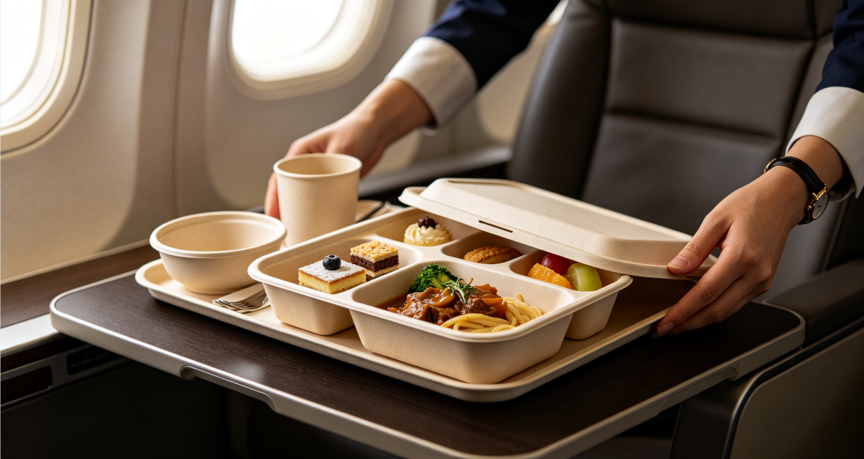
Superior Functional Performance for Hot, Greasy Burgers
Heat Resistance and Thermal Stability to Maintain Freshness
Sugarcane bagasse clamshell boxes preserve burger integrity through innate heat tolerance. A 2023 materials performance study found that bagasse retains structural stability at continuous temperatures up to 200°F (93°C), while standard plastic containers begin to soften near 140°F. This thermal resilience prevents lid warping, reduces steam escape, and helps maintain juiciness. Unlike plastic—which can leach chemicals when heated—bagasse remains inert. Its dense, fibrous composition also slows heat transfer, keeping the outer surface cool enough for safe handling right after grilling. Operators can package burgers directly from the grill without waiting, speeding up service during peak hours—and ensuring the first bite tastes as fresh as the moment it was made, even after a 20-minute delivery window.
Moisture, Grease, and Leak Resistance Without Liner Compromise
Bagasse’s naturally tight fiber structure, paired with a compostable plant-based coating, delivers robust barrier properties. In a 2022 independent leakage test, these clamshells held hot beef fat for over eight hours without visible seepage or staining. The cross-linked cellulose matrix blocks oil and water vapor, eliminating the need for separate plastic liners that often delaminate or stick to food. Unlike polystyrene—which absorbs grease and turns soggy—bagasse maintains rigidity throughout transit. This performance is critical for takeout and delivery, where burgers may sit for extended periods. The packaging stays clean and presentable, avoiding messy customer surprises. The coating is moisture-resistant yet fully compostable, delivering reliable protection without fossil-based additives.
Crush-Resistant Structure Under Stack Load and Transit Stress
Rigid fiberboard construction gives bagasse boxes a crush-resistance of 22 kg per square inch, according to a 2023 structural analysis—outperforming expanded polystyrene, which can crack under stacked weight. During delivery, when multiple orders are packed together, the clamshells hold their shape without compressing the burger. The contoured lid design distributes pressure evenly, preventing the dreaded “pancake” effect. Even when subjected to vibration and shifting in a courier bag, the box remains intact. Its elastic modulus allows slight flex without breakage, absorbing shock better than brittle plastic alternatives. For operators, this means fewer damaged items and reduced waste; for customers, it means a burger that looks as good as it did when it left the kitchen.
Enhanced Brand Experience and On-the-Go Usability
360° Visibility and Premium Presentation for Retail and Delivery
Sugarcane bagasse clamshell boxes offer full product visibility when opened. The wide-mouth design reveals the burger’s layers and colors, building appetite appeal—especially vital in delivery and grab-and-go settings where customers can’t inspect meals before purchase. The natural, unbleached texture signals premium sustainability. Research shows packaging design heavily influences purchase decisions: 72% of consumers say it matters (Ipsos 2021). Restaurants leverage this to convey quality before the first bite. The matte finish and earthy tone stand out among glossy plastic alternatives, creating a memorable unboxing moment. Because the material is certified compostable, it reinforces the brand’s eco-commitment—appealing directly to environmentally conscious diners. This 360° exposure elevates perceived value and reduces reliance on supplemental marketing materials.
Intuitive Reclosability and Ergonomic Design for Consumers
Bagasse clamshells feature a secure hinge and tab closure engineered for one-handed operation. Consumers can open and reclose the box easily, keeping the burger warm and intact during travel. The robust structure resists buckling, so the lid stays aligned without gapping. Ergonomic curves and smooth edges prevent discomfort when holding the box—even with heat or grease. Unlike plastic containers that warp or crack under temperature stress, bagasse maintains its shape and seal reliability. The integrated locking mechanism eliminates the need for separate lids or tape, and the tactile “click” of the tab provides instant reassurance of secure closure. This simplicity reduces user frustration, speeds up the eating process, and minimizes spills—critical for both delivery drivers and on-the-go customers.
Sustainable Advantage: How Sugarcane Bagasse Clamshell Boxes Reduce Environmental Impact
From Agricultural Residue to Certified Compostable Packaging
Sugarcane bagasse clamshell boxes transform agricultural waste into high-value packaging. After juice extraction, the fibrous residue is pulped and heat-pressed into rigid containers—avoiding virgin plastics entirely. This closed-loop process cuts carbon emissions by approximately 67% compared to conventional plastic burger boxes (Ponemon 2023). In industrial composting facilities, the material fully degrades within 60 days, while expanded polystyrene persists for over 500 years. Waste audits conducted in 2024 reveal that sugarcane-derived packaging generates 80% less landfill waste than standard alternatives. Certified to EN13432 and ASTM D6400, these boxes achieve over 90% biodegradation into harmless organic matter within 90 days—leaving no toxic residue.
Compliance with EU Food-Contact Regulations and PFAS-Free Safety
Manufactured without added per- and polyfluoroalkyl substances (PFAS), these clamshells inherently meet the safety expectations of EU Regulation (EC) No 1935/2004 on materials intended to come into contact with food. The natural fiber structure requires no chemical coatings to resist grease or moisture—eliminating the risk of hazardous substances migrating into hot, fatty meals. Production includes a sterilization step that ensures the final product is free from pathogens, aligning with strict food-contact standards. Because no fluorinated treatments are used, the packaging remains safe for both consumers and composting environments—breaking down without releasing persistent organic pollutants.
Food Safety Assurance and Regulatory Confidence
Sugarcane bagasse clamshell boxes deliver inherent food safety advantages that plastic cannot match. The material is naturally free from bisphenol A (BPA), phthalates, and PFAS—chemicals increasingly restricted under global regulatory frameworks. Without synthetic chemical coatings, bagasse avoids the risk of leaching hazardous compounds into hot, greasy foods—even under high-temperature conditions. It meets stringent food-contact standards, including EU Regulation (EC) No 1935/2004 and U.S. FDA requirements, ensuring full compliance for direct food packaging. This regulatory confidence extends to a complete absence of microplastic shedding—a growing concern with plastic containers that degrade over time. As governments tighten bans on single-use plastics and chemical additives, operators gain assurance that bagasse clamshells align with current and future food safety mandates—without sacrificing functional performance.
FAQ
What is sugarcane bagasse, and why is it used for burger packaging?
Sugarcane bagasse is the fibrous residue left over after extracting juice from sugarcane. It's repurposed into sustainable packaging due to its durability, heat resistance, and compostable nature, making it ideal for burger boxes.
How does bagasse compare to plastic in terms of heat resistance?
Bagasse maintains structural stability up to 200°F (93°C), while plastic often softens around 140°F. This superior heat resistance prevents warping and keeps food fresh longer.
Can sugarcane bagasse clamshell boxes handle greasy foods?
Yes, the tight fiber structure and compostable coating resist moisture, grease, and leaks, ensuring reliable performance without needing plastic liners.
Are these boxes eco-friendly?
Absolutely. Sugarcane bagasse boxes are certified compostable, generating 80% less landfill waste and degrading fully within 60-90 days in composting facilities, unlike plastic which persists for centuries.
Do sugarcane bagasse boxes meet food safety regulations?
Yes, they comply with EU Regulation (EC) No 1935/2004 and U.S. FDA requirements, and are free from harmful chemicals like BPA, phthalates, and PFAS.


