Why Sugarcane Bagasse Cutlery Leads the Biobased Tableware TransitionSuperior heat resistance and cost efficiency vs. PLA and PHA alternativesSugarcane bagasse cutlery leads the biobased tableware transition by delivering exceptional heat resistance ...
VIEW MORE
What Is Sugarcane Bagasse—and Why Is It Ideal for Food Containers? From agricultural waste to premium packaging: the sustainable production process Sugarcane bagasse is the dry, fibrous residue left after sugarcane stalks are crushed to extra...
VIEW MORE
Material Science: How Sugarcane Bagasse Delivers Inherent Leak ResistanceMoisture barrier performance: sugarcane bagasse vs. PET, RPET, and molded pulpSugarcane bagasse clamshell boxes rely on a dense cellulose-hemicellulose matrix to slow liquid spr...
VIEW MORE
Temperature Limits and Thermal Safety of Sugarcane Bagasse Food ContainersMaximum Safe Operating Temperature (Up to 95°C) and Why Exceeding 120°C Causes Structural FailureSugarcane bagasse food containers are engineered for hot meals—but not unlimite...
VIEW MORE
Engineering Strength into Sugarcane Bagasse Cutlery Reinforced handles and strategic fiber alignment for load-bearing resilience The durability of sugarcane bagasse cutlery begins with its natural fibrous structure: bagasse contains 40–50% cellul...
VIEW MORE
Why Sugarcane Bagasse Food Containers Are Strategic for Fast Food ProcurementSugarcane bagasse food containers transform a discarded agricultural byproduct into a high-performance, sustainable packaging solution. The fibrous residue left after juice ...
VIEW MORE
Why Oil and Water Resistance Is Critical for Commercial-Grade Sugarcane Bagasse BowlsThe Functional Failure of Uncoated Bowls: Sogginess, Leakage, and Structural Collapse with Hot or Greasy FoodsUncoated sugarcane bagasse bowls rapidly absorb water a...
VIEW MORE
Upcycling Agricultural Waste: From Bagasse to Sustainable TablewareHow sugarcane bagasse bowls transform crop residue into certified eco-friendly tablewareSugarcane bagasse bowls exemplify high-value upcycling: turning a fibrous agricultural byproduc...
VIEW MORE
Capacity Range and Structural Design of Sugarcane Bagasse BowlsWhy 8oz to 24oz Covers Core Food Service NeedsSugarcane bagasse bowls in the 8oz to 24oz range align with standard portion sizes across food service operations. Smaller 8–10oz bowls suit ...
VIEW MORE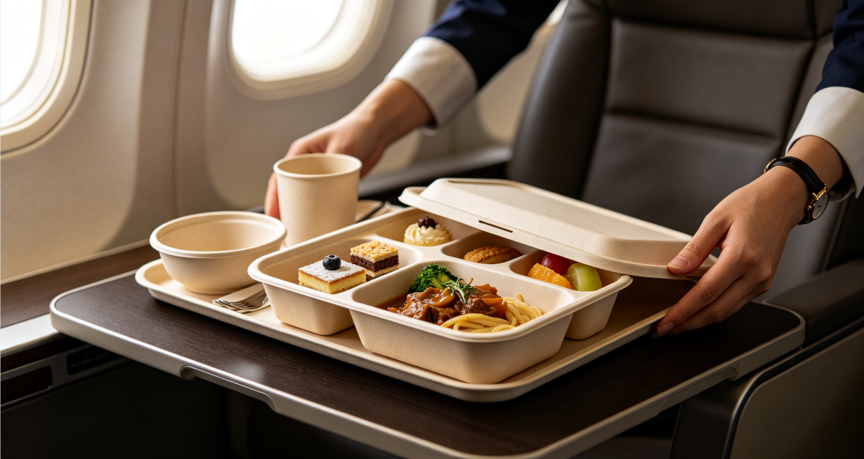
Superior Functional Performance for Hot, Greasy BurgersHeat Resistance and Thermal Stability to Maintain FreshnessSugarcane bagasse clamshell boxes preserve burger integrity through innate heat tolerance. A 2023 materials performance study found that...
VIEW MORE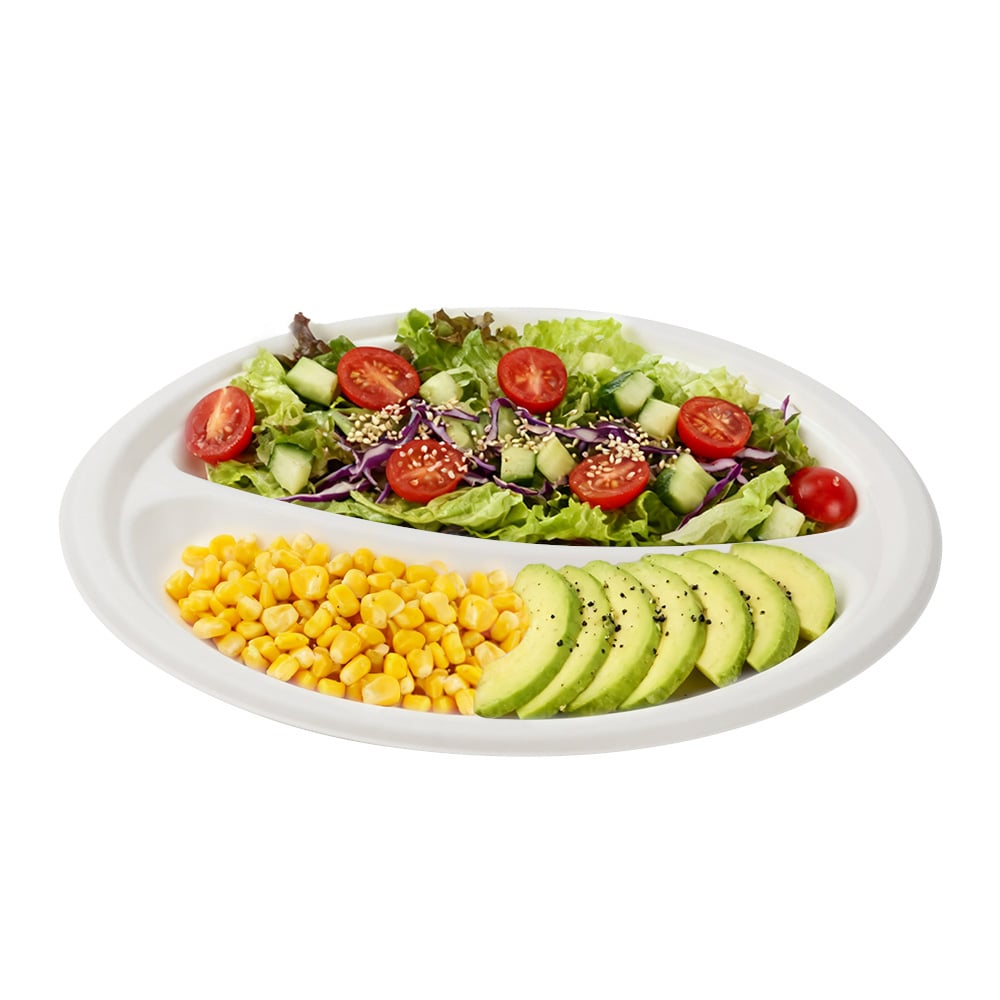
Sugarcane Bagasse: The Primary Raw MaterialFrom Juice Extraction to Fiber Recovery: How Bagasse Is Sourced and ProcessedSugarcane bagasse is the fibrous residue left after stalks are crushed to extract juice—a consistent, agricultural byproduct gener...
VIEW MORE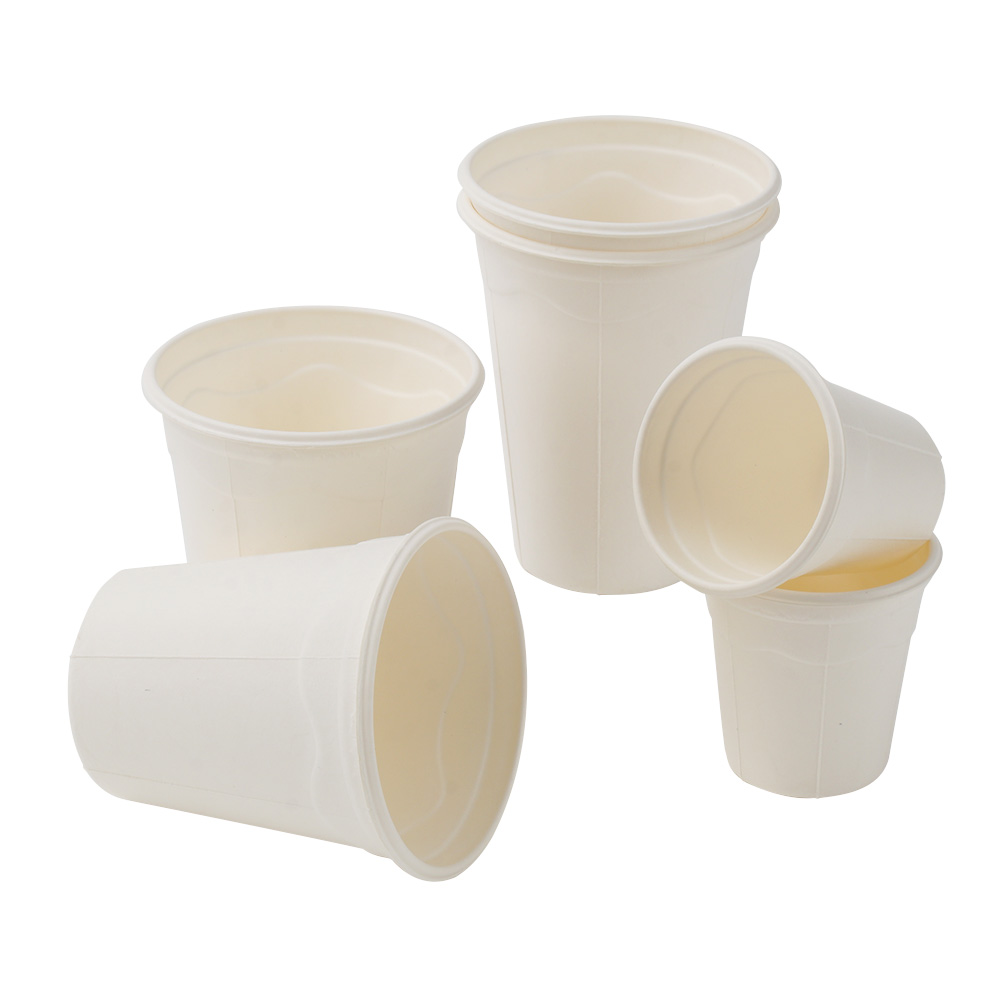
Natural Plant Fiber Composition Ensures Inherent Food SafetyCellulose, hemicellulose, and lignin: non-toxic structural backbone of sugarcane bagasse cupsSugarcane bagasse cups derive their food-safe character from the same natural polymers that form ...
VIEW MORE
Yangbo is a manufacturer of sugarcane bagasse tableware and biodegradable food packaging, offering eco-friendly disposable containers, bowls, plates and custom solutions.
Mayuan Industrial Zone, Shuitou Town, Wenzhou, Zhejiang Province
Room 315, Building 2, No. 1866 Binxing Road, Changhe Street, Binjiang District, Hangzhou City, Zhejiang Province
2nd Floor, Zone 4, Yiwu International Trade City, Zhejiang Province
Copyright © 2026 by Zhejiang Yangbo Technology Environmental Protection Co.,Ltd Privacy Policy
 EN